
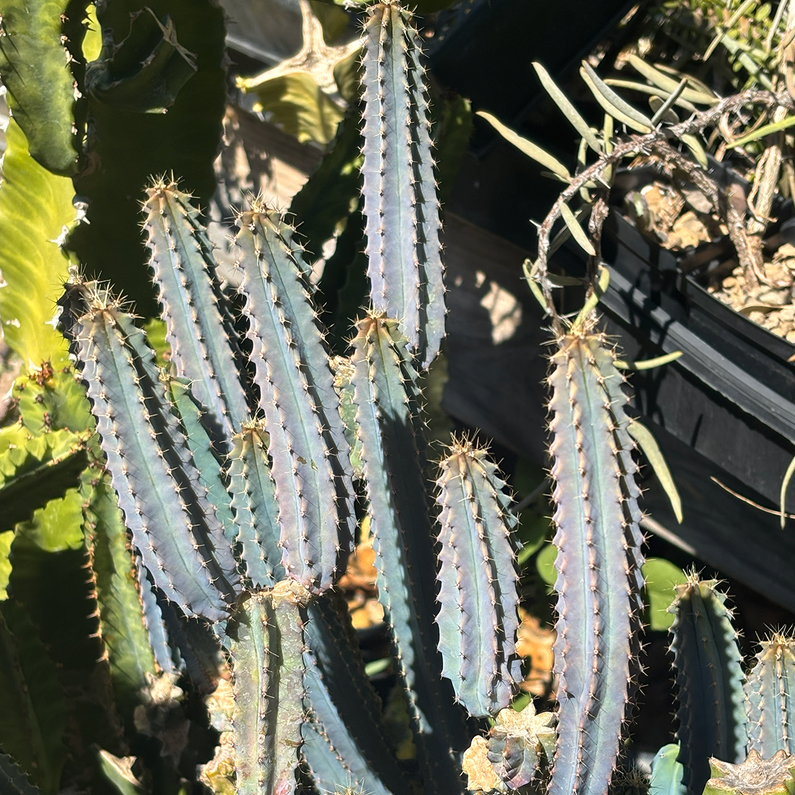
Winter Care Guide for Cacti and Succulents: Keep Your Plants Thriving
As temperatures drop and daylight hours shorten, your beloved cacti and succulents need a different care routine to thrive through the winter months. Whether you're caring for popular varieties like Echeveria, Jade plants, Aloe vera, or a collection of stunning cacti, understanding their winter needs can mean the difference between healthy plants and stressed specimens come spring.
Understanding Winter Dormancy in Succulents and Cacti
Most cacti and succulents for sale today enter a period of dormancy during winter, mimicking their natural growing cycles in the wild. During this time, their growth slows significantly or stops altogether as they conserve energy. This dormant period is actually beneficial and necessary for many species to bloom properly in spring.
The Big Chill: Temperature Considerations
**Know Your Hardiness Zones**
Not all succulents handle cold the same way. While some like Sempervivum can survive below freezing, most popular houseplant varieties prefer temperatures above 40°F. Research your specific species to understand their cold tolerance.
**Indoor vs. Outdoor**
If you're in a climate where temperatures regularly drop below 40°F, it's time to bring tender succulents indoors. Even cold-hardy varieties may need protection from frost, rain, and extreme temperature fluctuations. For borderline-hardy plants, consider placing them under eaves or in a cold frame.
Watering: Less is More
The number one winter mistake is overwatering. During dormancy, succulents need dramatically less water than in their active growing season.
**The Winter Watering Rule**
Water only when the soil is completely dry and the plant shows signs of thirst (slightly wrinkled leaves). For most species, this might mean watering once every 3-4 weeks, or even less. Some cacti can go the entire winter without water if kept cool and dormant.
**How to Water**
When you do water, do it thoroughly but infrequently. Water in the morning so excess moisture can evaporate during the day. Ensure your pots have excellent drainage, and never let plants sit in standing water.
Light Requirements Don't Take a Break
Even though growth slows, your succulents still need adequate light. In fact, insufficient light is one of the biggest winter challenges.
**Maximize Natural Light**
Move plants closer to south-facing windows where they'll receive the most sunlight. Rotate them weekly to ensure even light exposure. If you notice etiolation (stretching toward light), your plant needs more brightness.
**Consider Grow Lights**
In regions with limited winter sun, supplemental grow lights can prevent stretching and maintain healthy coloration. LED grow lights are energy-efficient and produce minimal heat, making them ideal for home use.
Fertilizing: Time for a Break
Stop fertilizing completely during winter dormancy. Your plants aren't actively growing, so they won't use the nutrients, and fertilizer salts can build up in the soil, potentially burning roots. Resume feeding only when you see new growth in spring.
Soil and Repotting Considerations
Winter is generally not the time to repot succulents unless absolutely necessary for an emergency like root rot. However, you can prepare for spring by checking that your soil mix is well-draining. If water sits on the soil surface for more than a few seconds, your mix may be too dense. Consider amending with perlite, coarse sand, or pumice before spring. Proper drainage is even more critical in winter when evaporation rates are lower.
Pest Watch
Don't let your guard down just because it's winter. Indoor heating creates dry conditions that spider mites and mealybugs love. Inspect your plants regularly, especially where leaves meet stems and in the crown of rosette-forming succulents.
The Reward of Patience
Successfully overwintering your cacti and succulents requires restraint and patience. It can feel counterintuitive to water less and watch your plants do seemingly nothing for months. But this dormant period is essential for their long-term health and will be rewarded with vigorous spring growth and, for many species, beautiful blooms.
By respecting your plants' natural cycles and adjusting your care routine accordingly, you'll ensure your collection emerges from winter stronger and healthier than ever. Think of winter prep not as limiting care, but as providing exactly what your plants need during their rest period.
At East Austin Succulents we continue to ship plants even in the winter. We offer heat packs for winter shipping and reach out to hold orders in areas where it is even too cold for the heat pack to help. So feel free to continue your support of our small business even during the cold months. Thanks
Happy winter gardening!
Recent Posts
-
The Complete Guide to Soil Additives for Cacti and Succulents
If you've ever lost a beloved cactus or succulent to root rot, you know the heartbreak of watching t …Jan 15th 2026 -
Winter Care Guide for Cacti and Succulents: Keep Your Plants Thriving
As temperatures drop and daylight hours shorten, your beloved cacti and succulents need a different …Dec 10th 2025 -
Echeveria Care Guide: Everything You Need to Know About Growing These Stunning Succulents
Echeverias are among the most popular and beautiful succulents available to both beginner and experi …Nov 20th 2025