
The Complete Guide to Soil Additives for Cacti and Succulents
If you've ever lost a beloved cactus or succulent to root rot, you know the heartbreak of watching these resilient desert dwellers succumb to something as simple as poorly draining soil. The secret to thriving cacti and succulents isn't just about watering less—it's about creating the perfect soil environment that mimics their native habitats.
Succulents typically love “bad soil,” that which our tropical plants and herbs might find downright hostile. At East Austin Succulents, we prefer to pot our own plants in Succulent Gold: a pre-made cactus & succulent potting medium. A mix like this should contain all the essentials for these desert dwellers: [INORGANICS] for fast drainage and [ORGANICS] which provides a small amount of richness.
You should aim for a soil mix that goes completely dry 12-36 hours after a full soak. Whether you bottom water or pour from above, drainage holes in your pots are nearly required to ensure that moisture does not linger.
Our own specialty soil - Succulent Gold. The perfect blend of nutrients & drainage for succulents & cacti.
Succulent Gold Soil mix is made up of: compost, perlite, pumice, turface, osmocote, gypsum lime, and crushed granite.
Soil Additives and what they add to the mix:
Compost - organic matter that retains moisture and releases nutrients as it breaks down
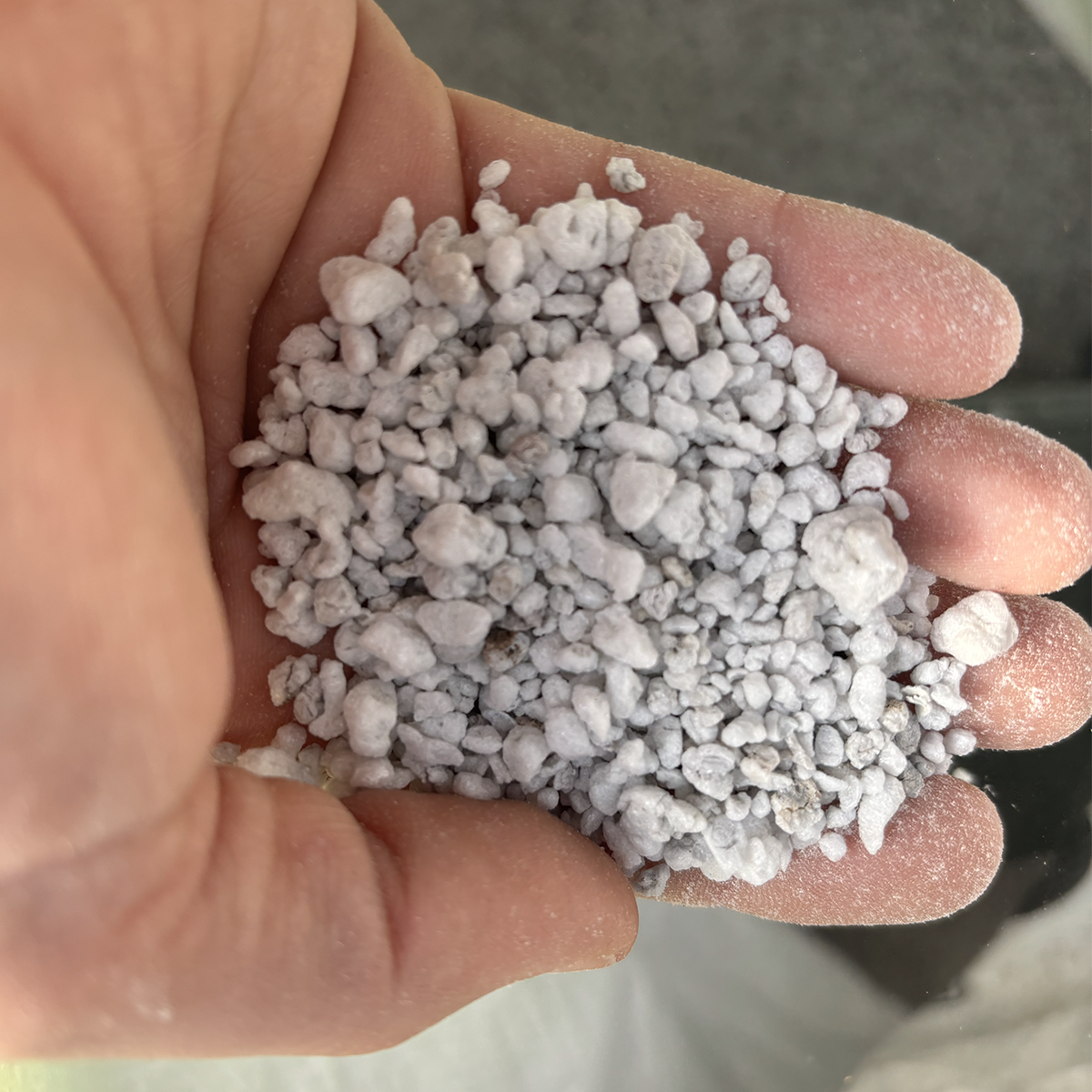
Perlite - adds drainage and aeration to soil
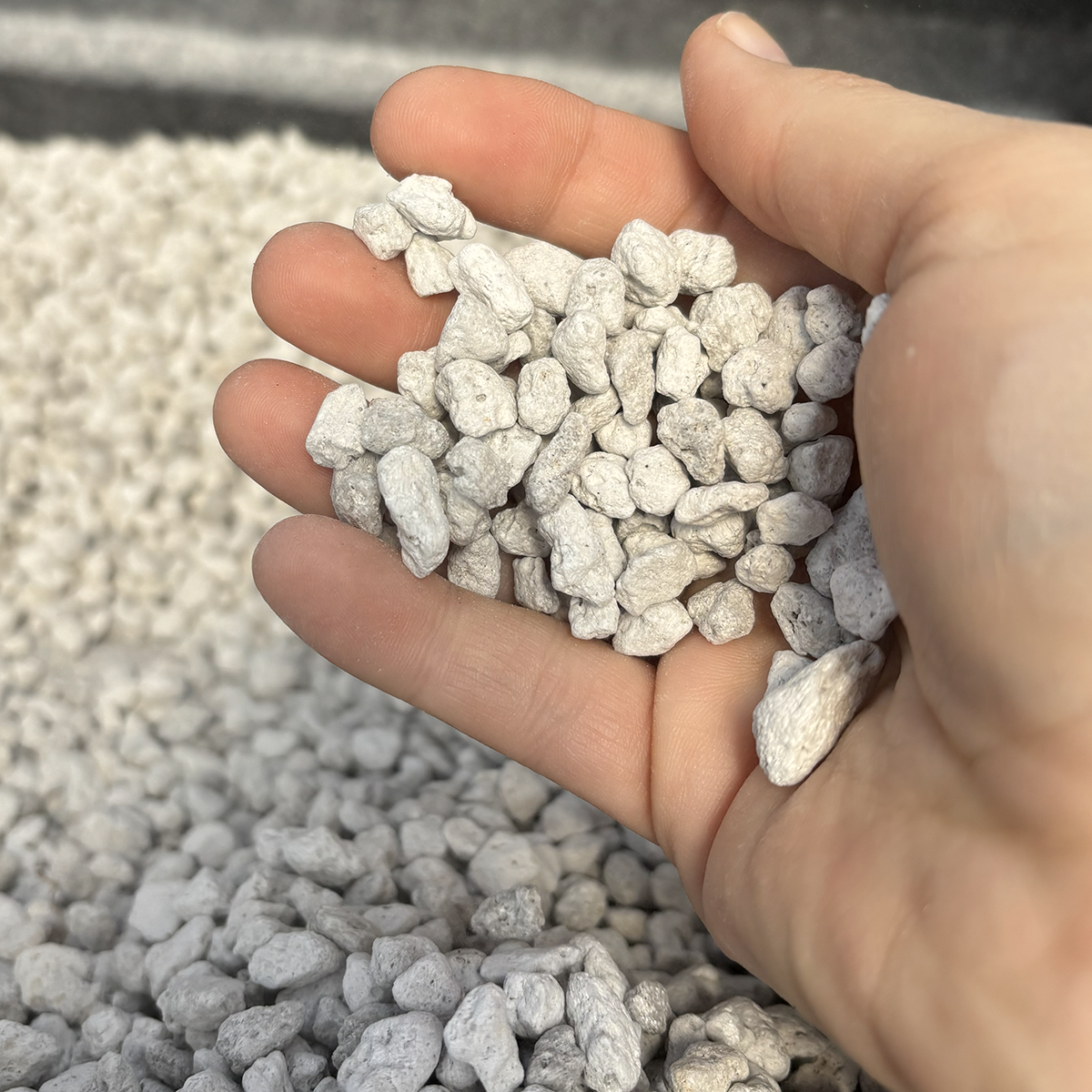
Pumice - adds aeration to soil, but retains more moisture than other additives
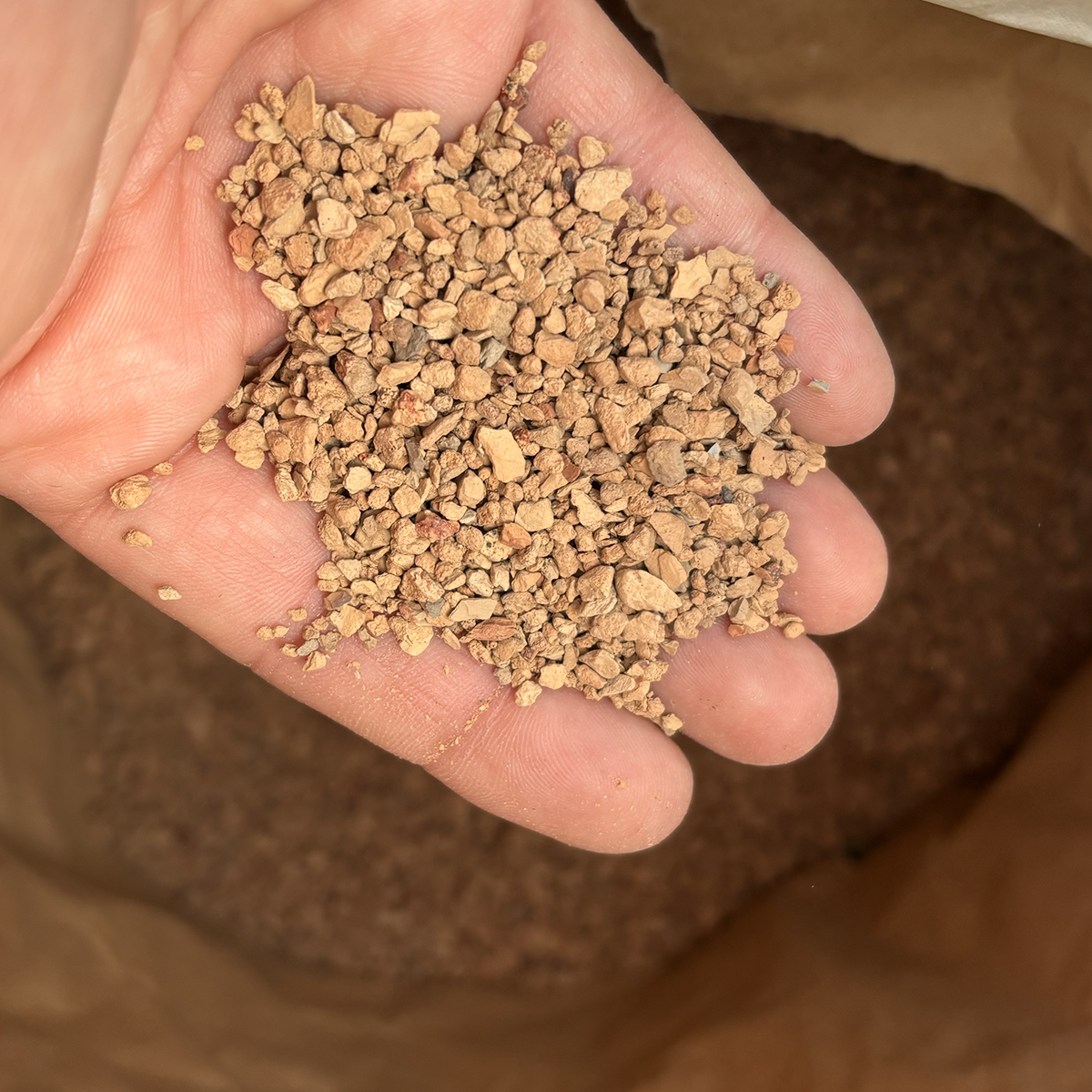
Turface - a light weight material to add aeration and drainage
Osmocote - a slow release plant food
Gypsum lime - helps reduce compacted soil and raises the ph of the soil slightly. Great for areas with low ph or high sodium in the water
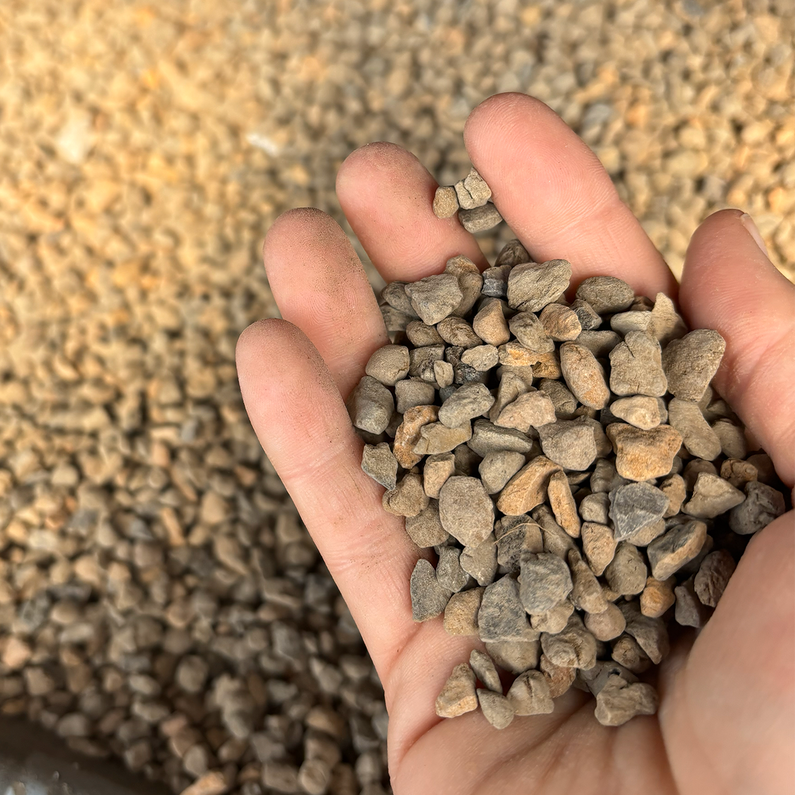
Crushed granite - acts as a drainage material that takes longer to break down than other materials
Mulch - a drainage material that does break down over time
Sand - adds drainage and aeration, can be good for seedlings but be careful as it often can have pathogens. Also can raise the acidity of the soil.
Atypical mixes for specific plants/circumstances:
Vermiculite - better for tropicals or house plants. Creates aeration but does keep moisture in soil
Akadama - creates aeration and drainage. We use this for our haworthias to support big root growth. This is a more expensive soil additive that is often used in bonsai.
Top Dressing Matters Too
Don't overlook the benefits of a top dressing layer. A half-inch to one-inch layer of small gravel, pumice, or decorative rock serves multiple purposes: it prevents the stem from staying moist, reflects light onto the plant, keeps soil from splashing during watering, and gives your pots a polished, professional appearance.
Testing Your Mix
The best test for your soil mix is simple: water it thoroughly, then squeeze a handful. It should barely hold together and crumble apart easily when you poke it. Water should drain through a pot in seconds, not minutes. If you notice water pooling on the surface or the soil staying wet for more than a few days, you need more drainage amendments.
Final Thoughts
Creating the perfect soil mix for your cacti and succulents might seem like extra work, but it's the single most important factor in keeping these plants healthy long-term. By investing in quality soil additives and mixing your own growing medium, you'll prevent the most common cause of succulent death and set your plants up for years of healthy growth. Your thriving collection will be worth every scoop of perlite.
Recent Posts
-
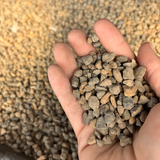
The Complete Guide to Soil Additives for Cacti and Succulents
If you've ever lost a beloved cactus or succulent to root rot, you know the heartbreak of watching t …Jan 15th 2026 -
Winter Care Guide for Cacti and Succulents: Keep Your Plants Thriving
As temperatures drop and daylight hours shorten, your beloved cacti and succulents need a different …Dec 10th 2025 -
Echeveria Care Guide: Everything You Need to Know About Growing These Stunning Succulents
Echeverias are among the most popular and beautiful succulents available to both beginner and experi …Nov 20th 2025