
Echeveria Care Guide: Everything You Need to Know About Growing These Stunning Succulents
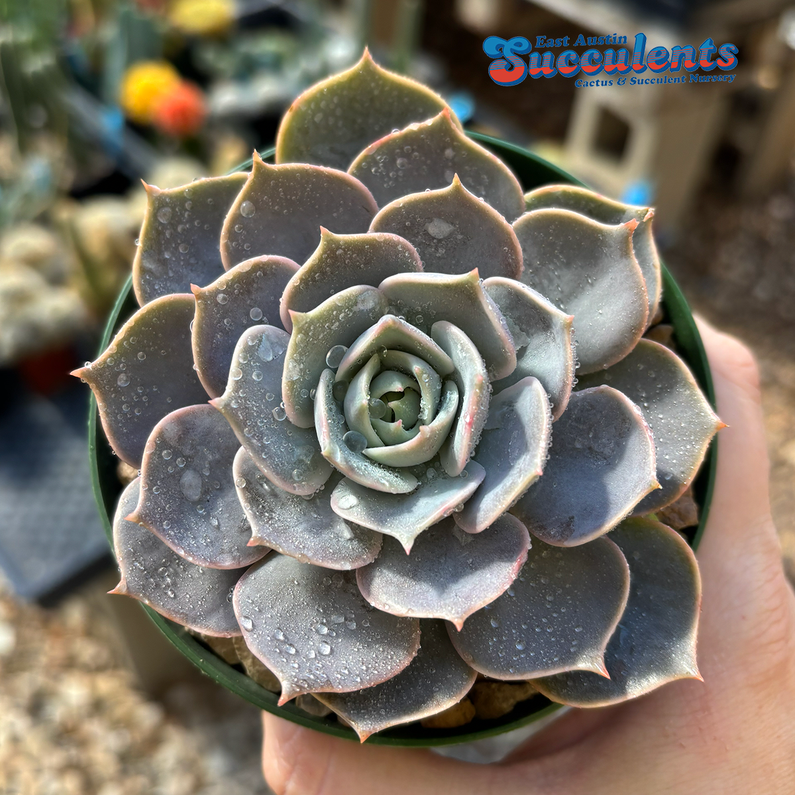
Echeverias are among the most popular and beautiful succulents available to both beginner and experienced plant enthusiasts. With their stunning rosette shapes and incredible color variations ranging from powder blue to deep purple, these Mexican natives have become a staple in succulent collections worldwide. Whether you're new to succulent care or looking to expand your collection, this comprehensive guide will help you successfully grow and care for echeverias.
What Are Echeverias?
Echeverias are flowering succulents in the Crassulaceae family, native to semi-desert regions of Central America, Mexico, and South America. Named after the 18th-century Mexican botanical artist Atanasio Echeverría y Godoy, these plants are prized for their geometric rosette formations and fleshy, colorful leaves. With over 150 species and countless hybrid varieties, echeverias offer incredible diversity for collectors.
Popular Echeveria Varieties
Some of the most sought-after echeveria types include:
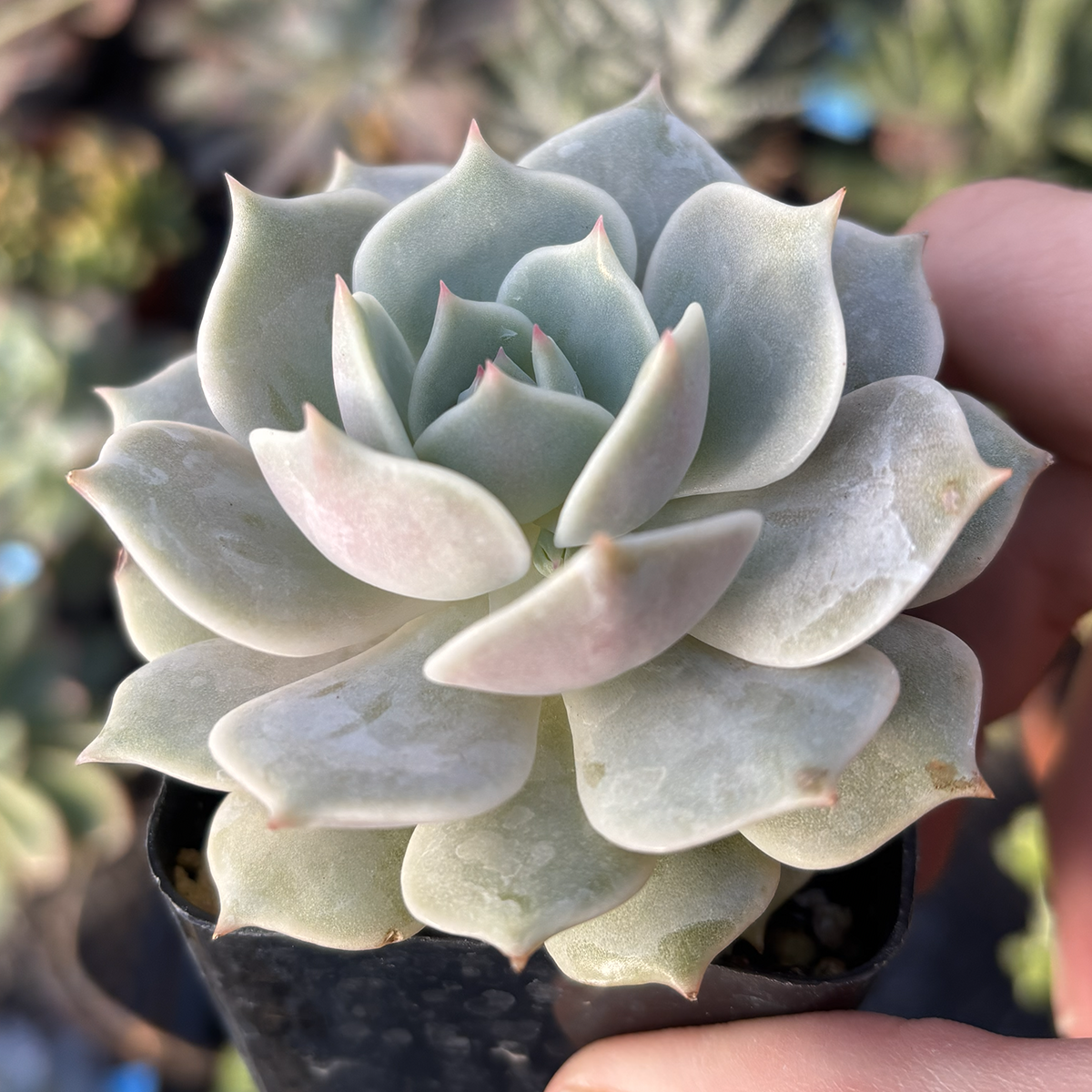
**Echeveria 'Lola'** - Features soft purple-gray leaves with a delicate pink blush, creating a stunning pastel appearance that's perfect for arrangements.
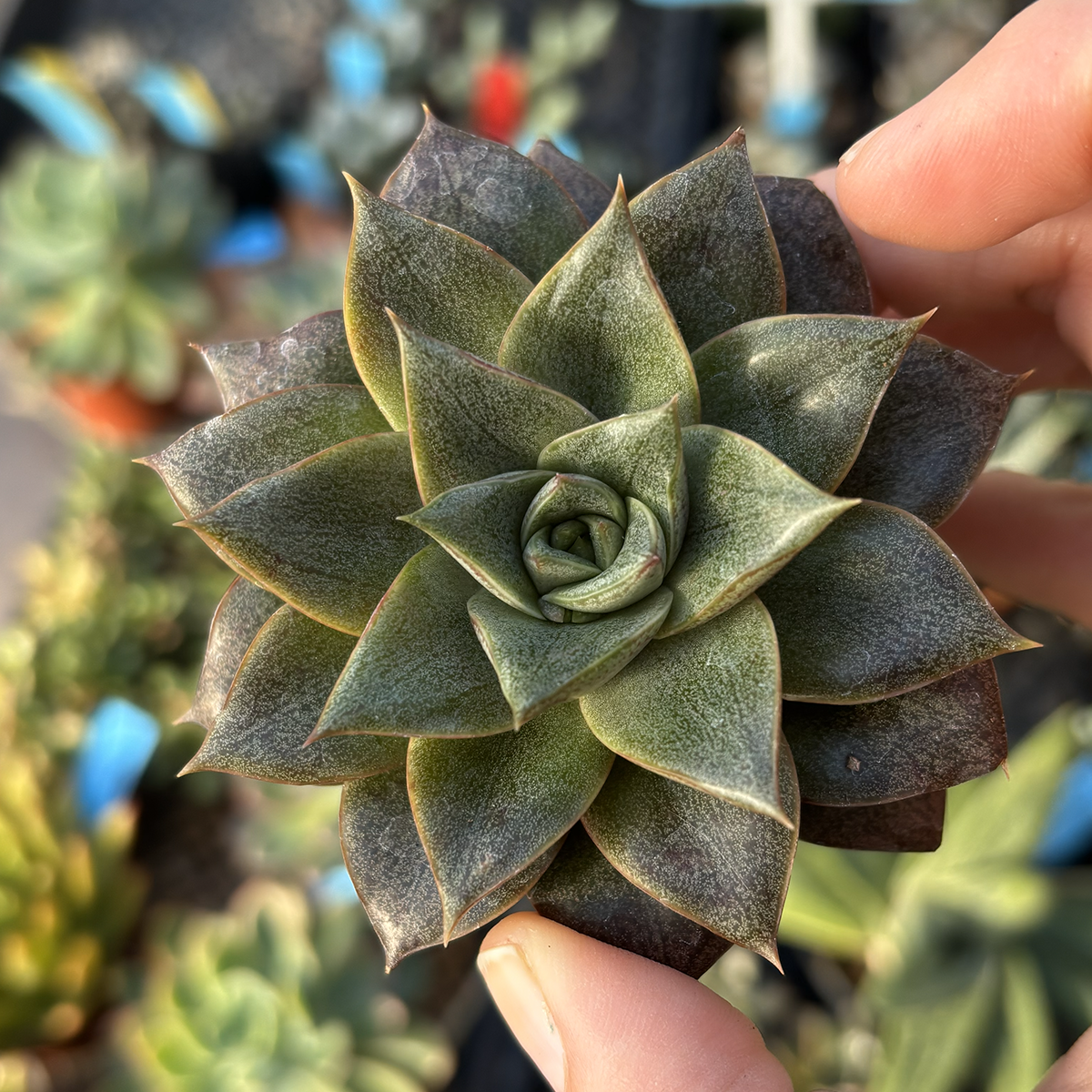
**Echeveria 'Perle von Nurnberg'** - One of the most popular hybrids, featuring stunning pink-purple leaves with a powdery coating.
**Echeveria agavoides (Lipstick Echeveria)** - Characterized by bright green leaves with distinctive red tips that intensify with sun exposure.
Essential Echeveria Care Requirements
Light Requirements
Echeverias thrive in bright, indirect light and need at least 4-6 hours of sunlight daily. Indoor echeverias do best near south or west-facing windows. If your echeveria begins to stretch or lose its compact rosette shape (a condition called etiolation), it's not receiving enough light. Gradually acclimate plants to increased light exposure to prevent sunburn, which appears as brown or white patches on leaves.
Watering Your Echeveria
The key to echeveria care is mastering the "soak and dry" watering method. Water thoroughly when the soil is completely dry, allowing water to drain freely from the pot's drainage holes. During the growing season (spring and summer), this typically means watering every 7-10 days. In winter, reduce watering to once every 2-3 weeks as the plants enter dormancy.
Signs of overwatering include yellowing, translucent, or mushy leaves, while underwatered echeverias display wrinkled, deflated-looking leaves. Always water the soil directly rather than the leaves to prevent rot and maintain the plant's natural protective coating.
Best Soil for Echeverias
Proper drainage is critical for echeveria health. Use a well-draining succulent or cactus potting mix. We recommend our Succulent gold mix with some added organic material. The soil should allow water to pass through quickly, preventing root rot caused by prolonged moisture exposure.
Temperature and Humidity
Echeverias prefer temperatures between 65-80°F during their active growing season. Most varieties are not frost-hardy and should be protected from temperatures below 40°F. These succulents thrive in low humidity environments, making them ideal houseplants for dry indoor conditions.
Fertilizing Echeverias
Feed echeverias with a diluted, balanced fertilizer (such as 10-10-10) or a specialized succulent fertilizer once monthly during spring and summer. Reduce feeding to once every 6-8 weeks during fall and eliminate fertilization during winter dormancy. Over-fertilizing can cause excessive, weak growth that lacks the plant's characteristic compact form.
Propagating Echeverias
One of the most rewarding aspects of growing echeverias is how easily they propagate. You can create new plants through several methods:
**Leaf Propagation** - Gently twist a healthy leaf from the stem, ensuring the entire leaf base comes off cleanly. Allow the leaf to callus for 2-3 days, then place it on well-draining soil. New rosettes will emerge from the leaf base within 2-4 weeks.
**Offset Division** - Many echeverias produce "pups" or offsets around the mother plant. Once these baby plants develop their own root system, carefully separate them and pot individually.
**Stem Cuttings** - For echeverias that have stretched or become leggy, cut the rosette head with 1-2 inches of stem, allow it to callus, then plant in soil. The remaining stem often produces multiple new rosettes.
Common Echeveria Problems and Solutions
**Mealybugs** - These white, cottony pests hide between leaves. Remove with rubbing alcohol on a cotton swab or treat with diluted dish soap.
**Root Rot** - Caused by overwatering or poor drainage. Prevention is key, but if caught early, you can save the plant by removing affected roots and repotting in fresh, dry soil.
**Aphids** - Small green or black insects that cluster on new growth or flower stalks. Spray with water or use neem oil treatment.
**Powdery Coating Damage** - The natural white coating (farina) on many echeverias protects them from sun damage. Once removed, it doesn't regenerate, so handle plants by their stems or pot edges.
Designing with Echeverias
Echeverias are incredibly versatile in garden design and container arrangements. They work beautifully in:
- Succulent arrangements and dish gardens combined with complementary species
- Rock gardens and xeriscaping projects depending on where you live
- Wedding bouquets and floral arrangements (yes, they can survive out of soil temporarily!)
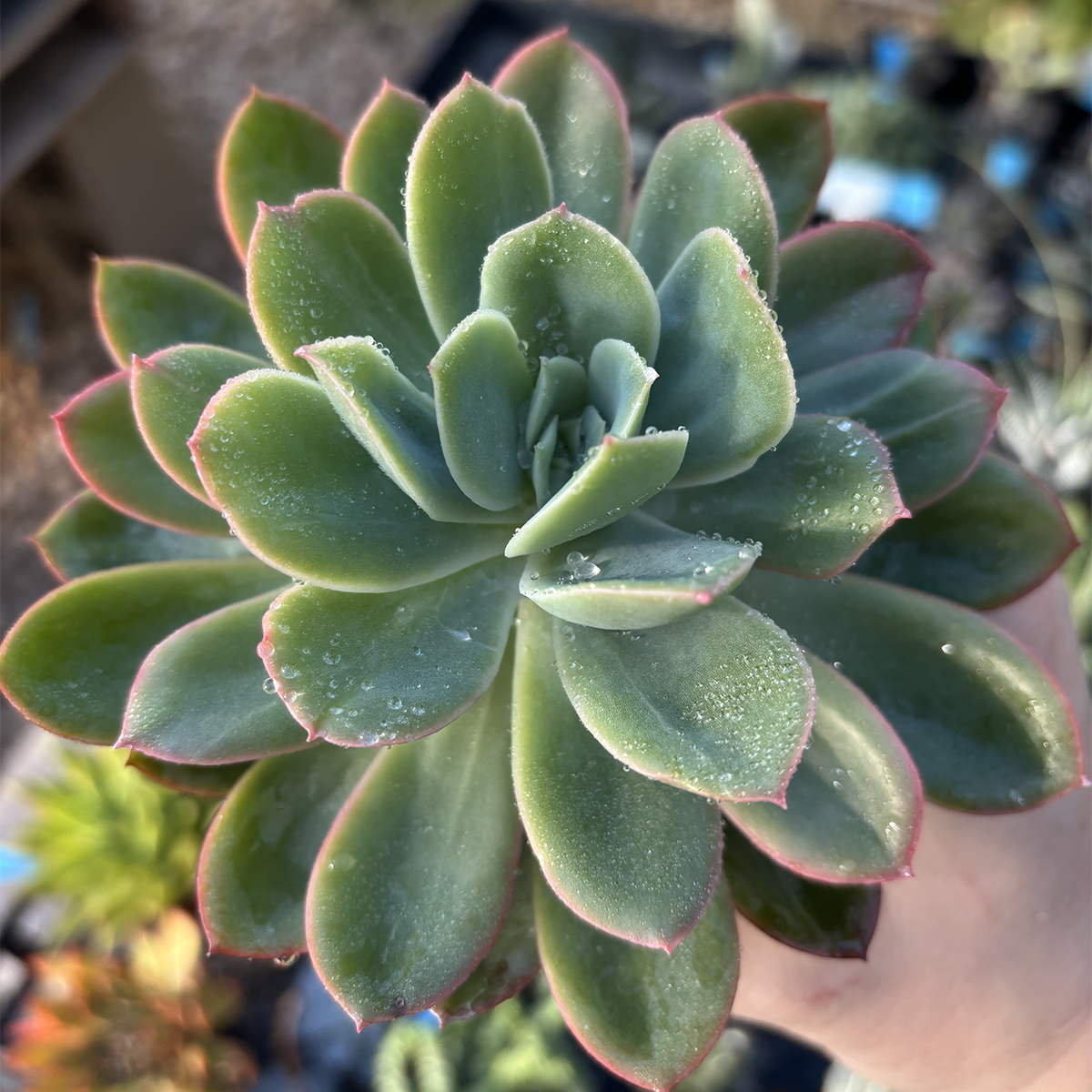
Their varied colors, sizes, and textures make them excellent focal points or filler plants depending on the variety chosen.
Why Choose Echeverias for Your Collection?
Echeverias offer the perfect combination of low-maintenance care, stunning visual appeal, and rewarding propagation potential. Their drought tolerance makes them ideal for busy plant parents, while their incredible variety ensures there's always a new cultivar to discover. Whether you're creating a desktop arrangement or building an extensive outdoor succulent garden, echeverias provide year-round beauty with minimal effort.
Looking for healthy, vibrant echeverias to add to your collection? Browse our selection of premium echeveria varieties, from rare hybrids to classic favorites, all grown with care and ready to thrive in your home.
https://shop.eastaustinsucculents.com/succulents/echeveria/
Recent Posts
-
The Complete Guide to Soil Additives for Cacti and Succulents
If you've ever lost a beloved cactus or succulent to root rot, you know the heartbreak of watching t …Jan 15th 2026 -
Winter Care Guide for Cacti and Succulents: Keep Your Plants Thriving
As temperatures drop and daylight hours shorten, your beloved cacti and succulents need a different …Dec 10th 2025 -
Echeveria Care Guide: Everything You Need to Know About Growing These Stunning Succulents
Echeverias are among the most popular and beautiful succulents available to both beginner and experi …Nov 20th 2025